

TRANSIT 101
New to Transit? Start Here.
Everything you need to plan your trip and ride with confidence.
Thousands of Virginians ride transit every day. You can too.
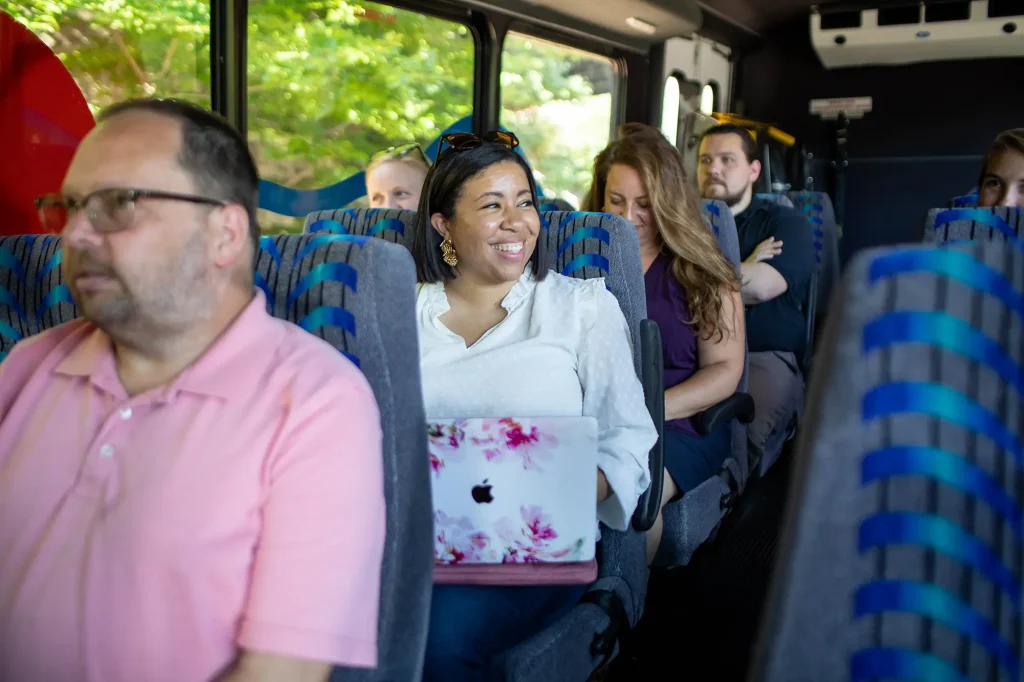

Save Money
Spend less on gas, parking, and other costs associated with driving.

Make the Most of Your Time
Let someone else do the driving while you read, relax, or simply enjoy the ride.

Stay Connected
Transit helps you reach work, school, healthcare, shopping, friends, family, and more.

Travel Sustainably
Choosing transit can help reduce the environmental impact of everyday travel.
Helpful Things to Know
- Buses are wheelchair accessible.
- Most systems have mobile trip planners.
- Drivers are happy to answer questions.
- Bike racks are available on many buses.
- Transit is one of the safest ways to travel.
- Children, seniors, veterans, and people with disabilities may qualify for reduced fares.
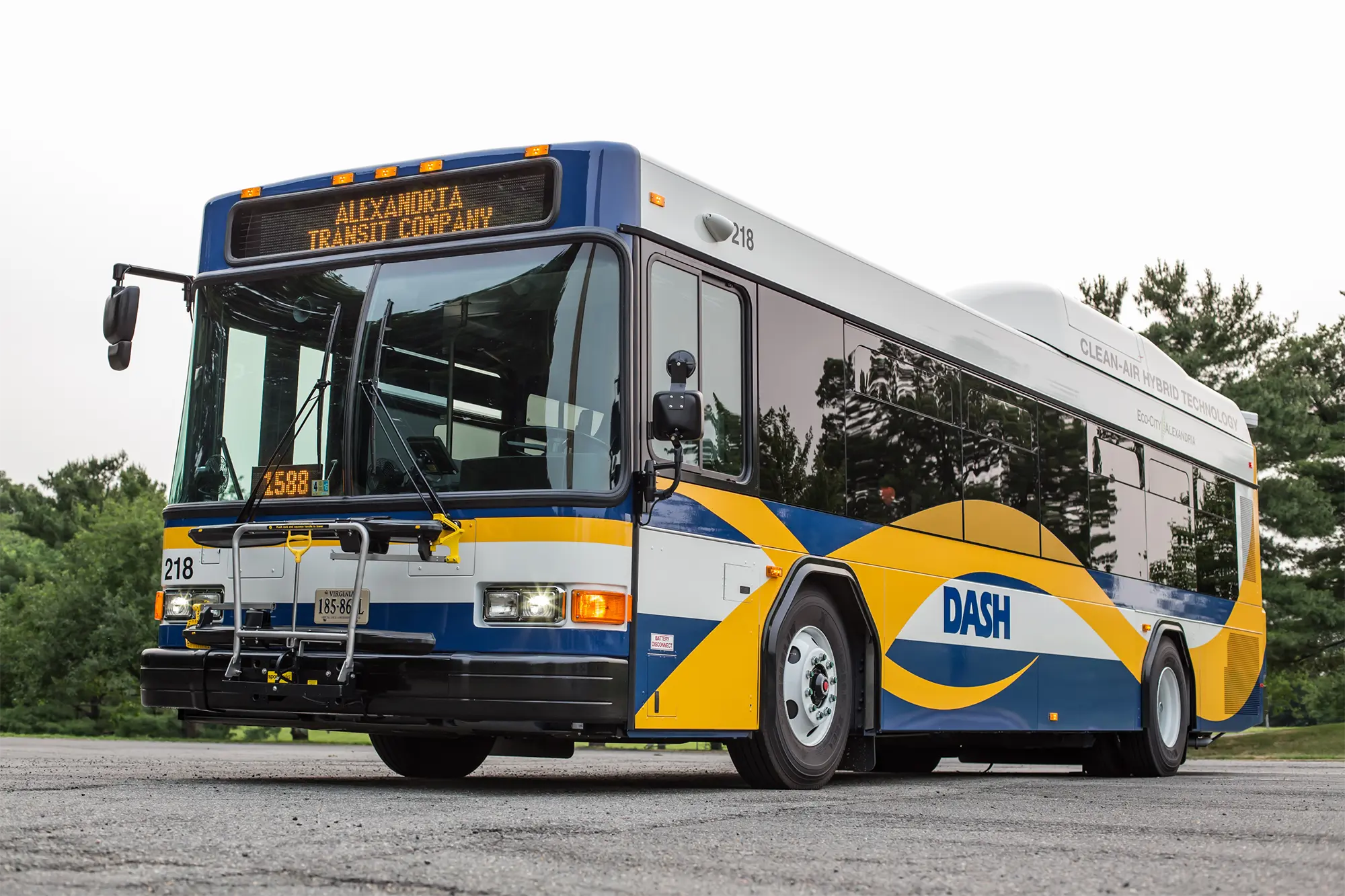
Local Bus
Fixed routes that make regular stops around your city or town.
Best for
Everyday errands, work, and school
Typical trips
Grocery runs · appointments · commuting
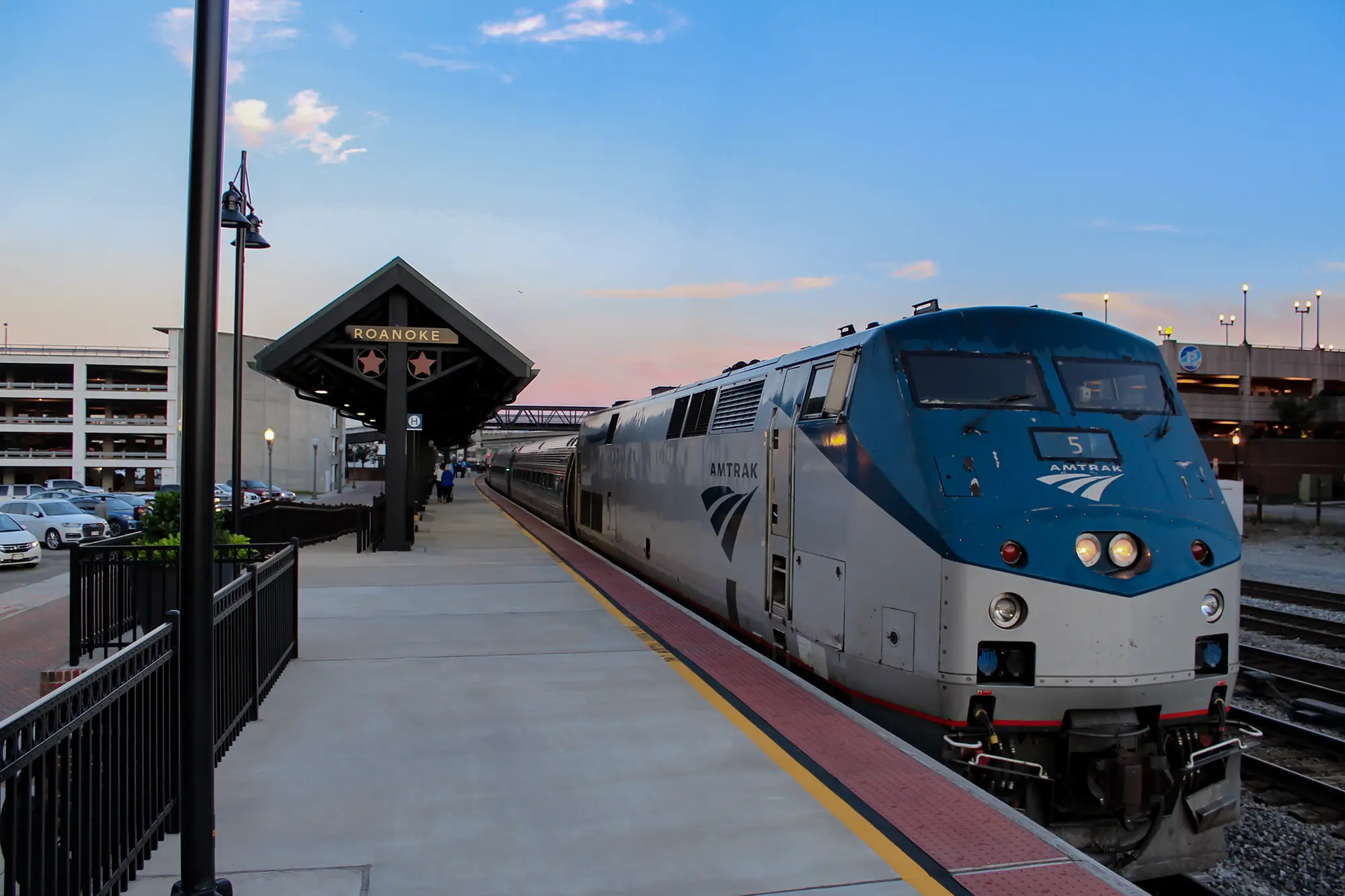
Train
Rail service connecting Virginia cities and the DC metro region.
Best for
Longer trips between regions
Typical trips
Richmond to DC · Amtrak day trips
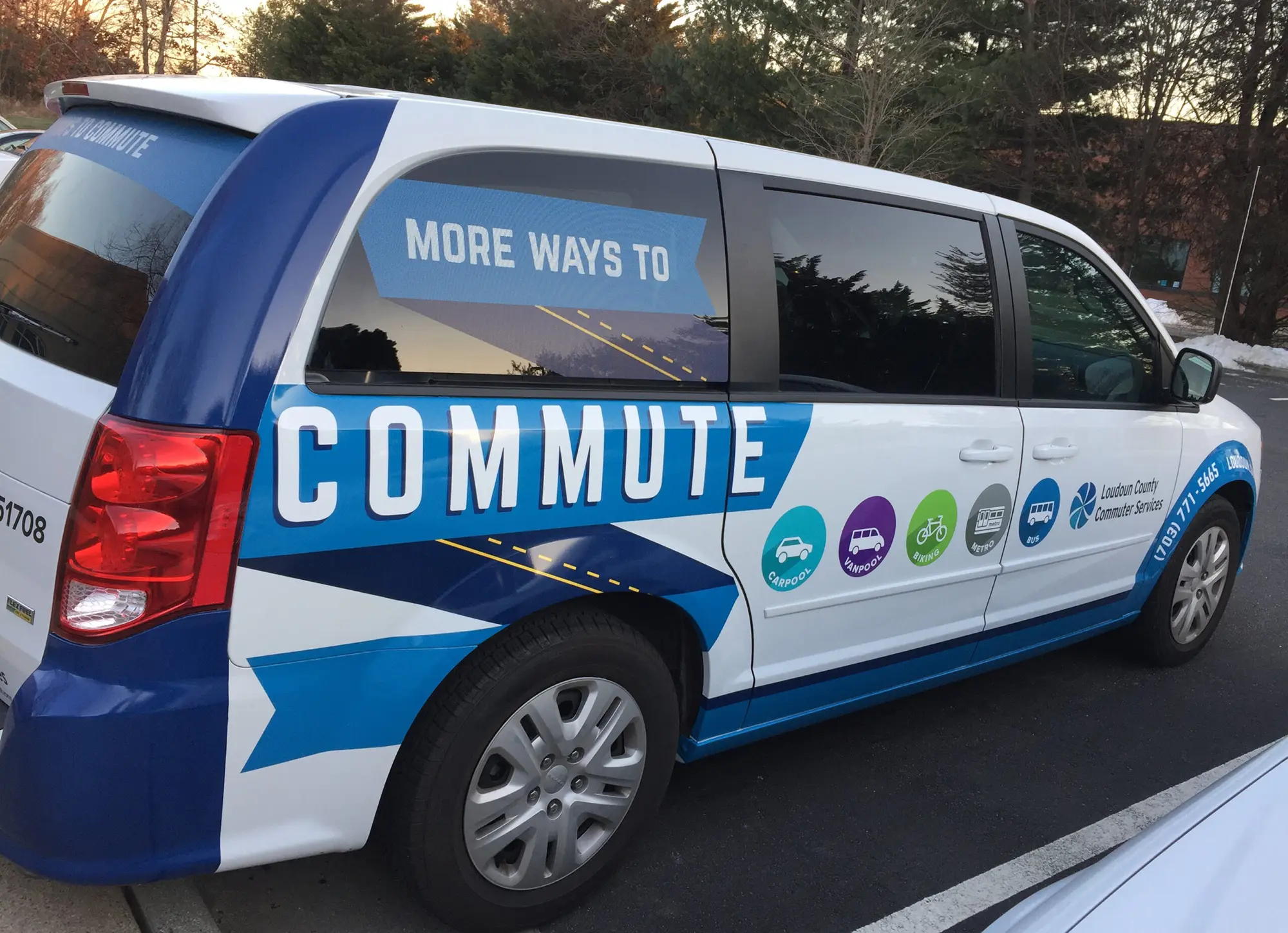
Commuter Bus
Express service designed for weekday commutes with limited stops.
Best for
Suburb-to-city commuters
Typical trips
Fredericksburg to DC Loudoun to Tysons

Vanpool
A shared van with a group of neighbors heading the same way.
Best for
Regular commutes without bus routes
Typical trips
Rural routes · large workplace campuses

Carpool
Share rides with coworkers or neighbors and split the drive.
Best for
Flexible schedules and shared costs
Typical trips
Weekly commutes · school pickups
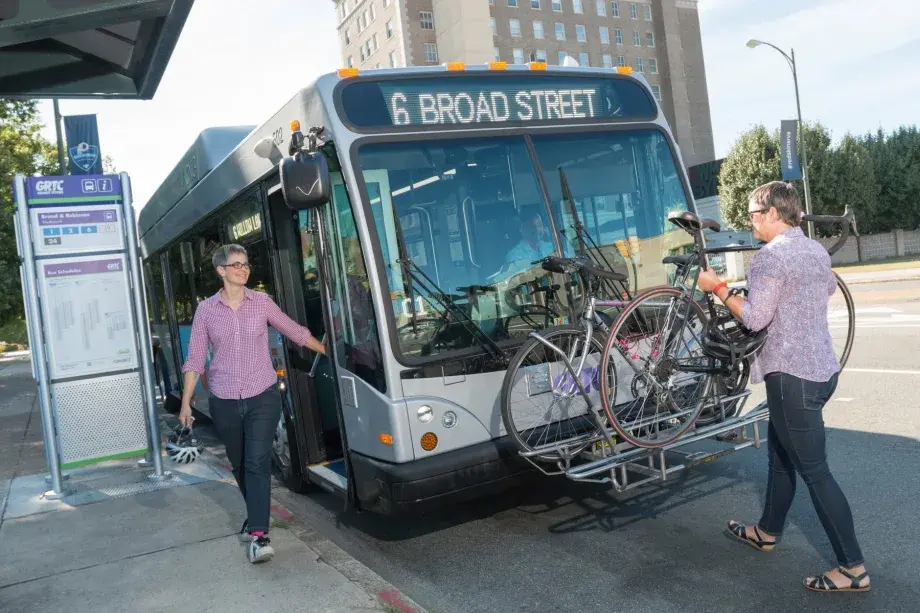
Bike
Pedal on your own or use bikeshare — many buses have bike racks.
Best for
Short trips and last-mile connections
Typical trips
Stop to office · library to home
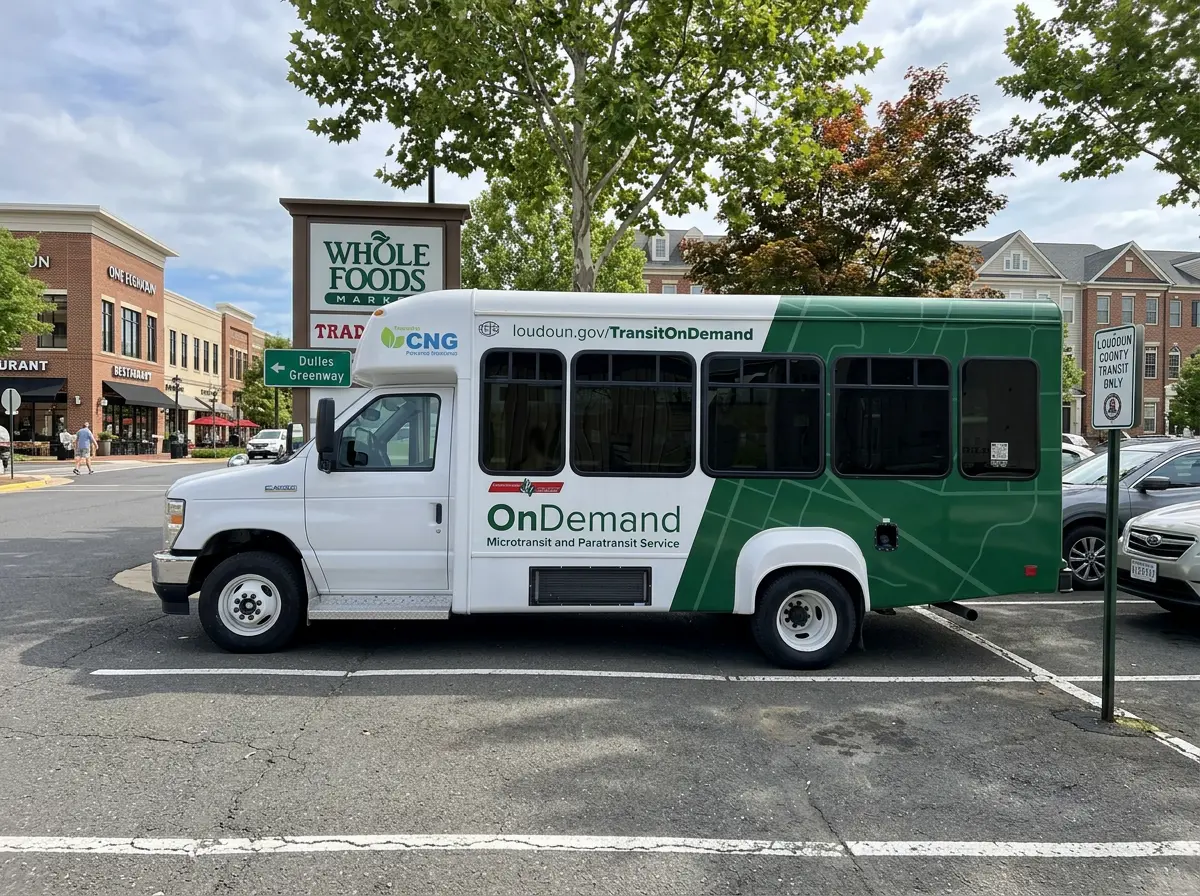
Transit On Demand
On-demand shared rides you can book through an app.
Best for
Areas without fixed-route service
Typical trips
Neighborhood hops · to the nearest bus stop
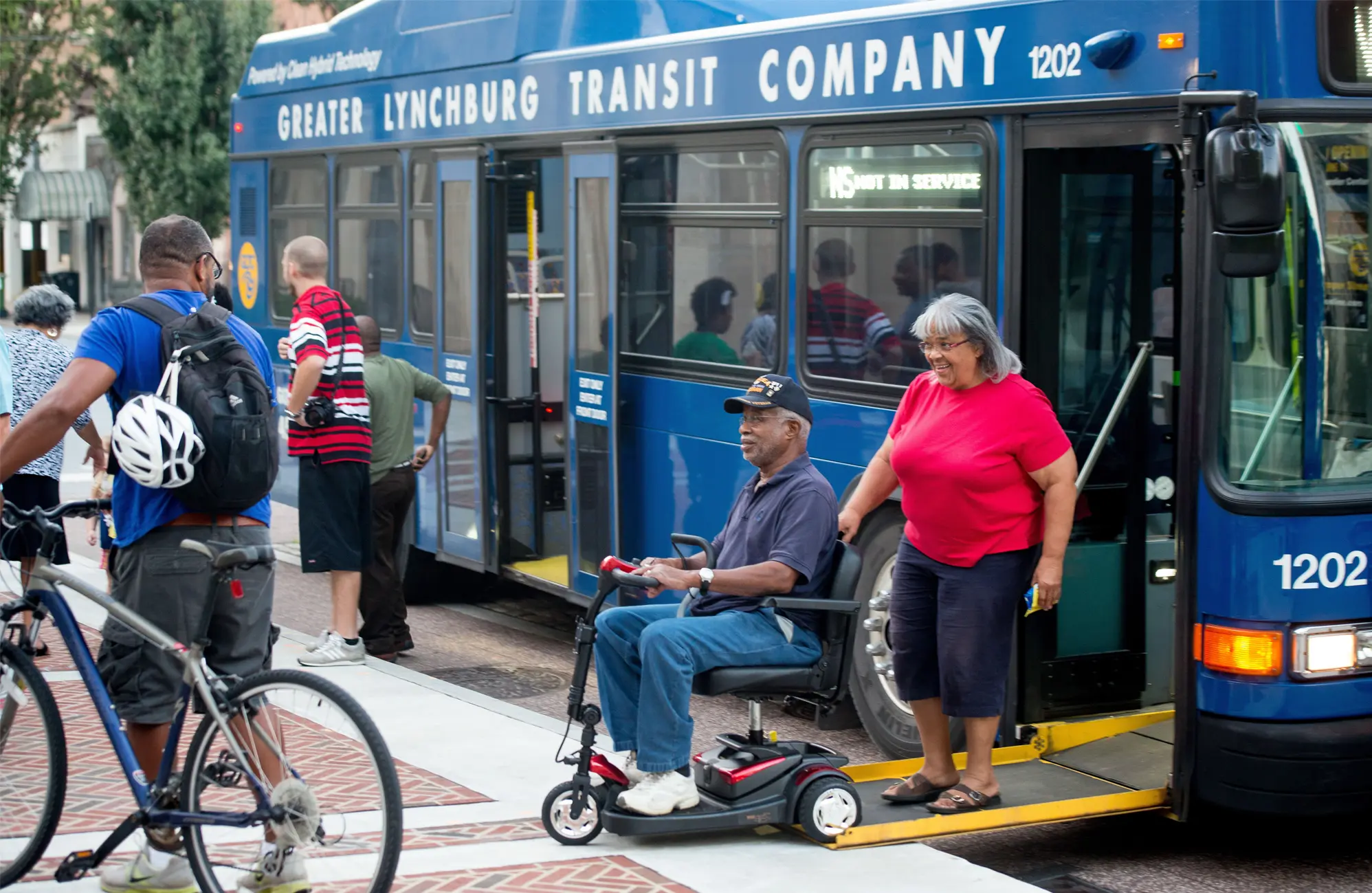
ADA Paratransit
Door-to-door service for riders whose disabilities prevent using fixed-route transit.
Best for
Eligible riders needing extra support
Typical trips
Medical visits · shopping · community outings
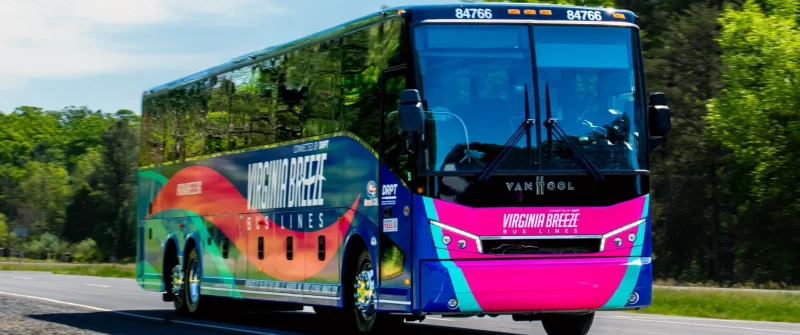
Intercity Bus (Virginia Breeze)
Intercity bus service connecting communities across Virginia and beyond.
Best for
Long-distance trips without driving
Typical trips
Virginia city-to-city travel · airport connections · connecting to national bus service
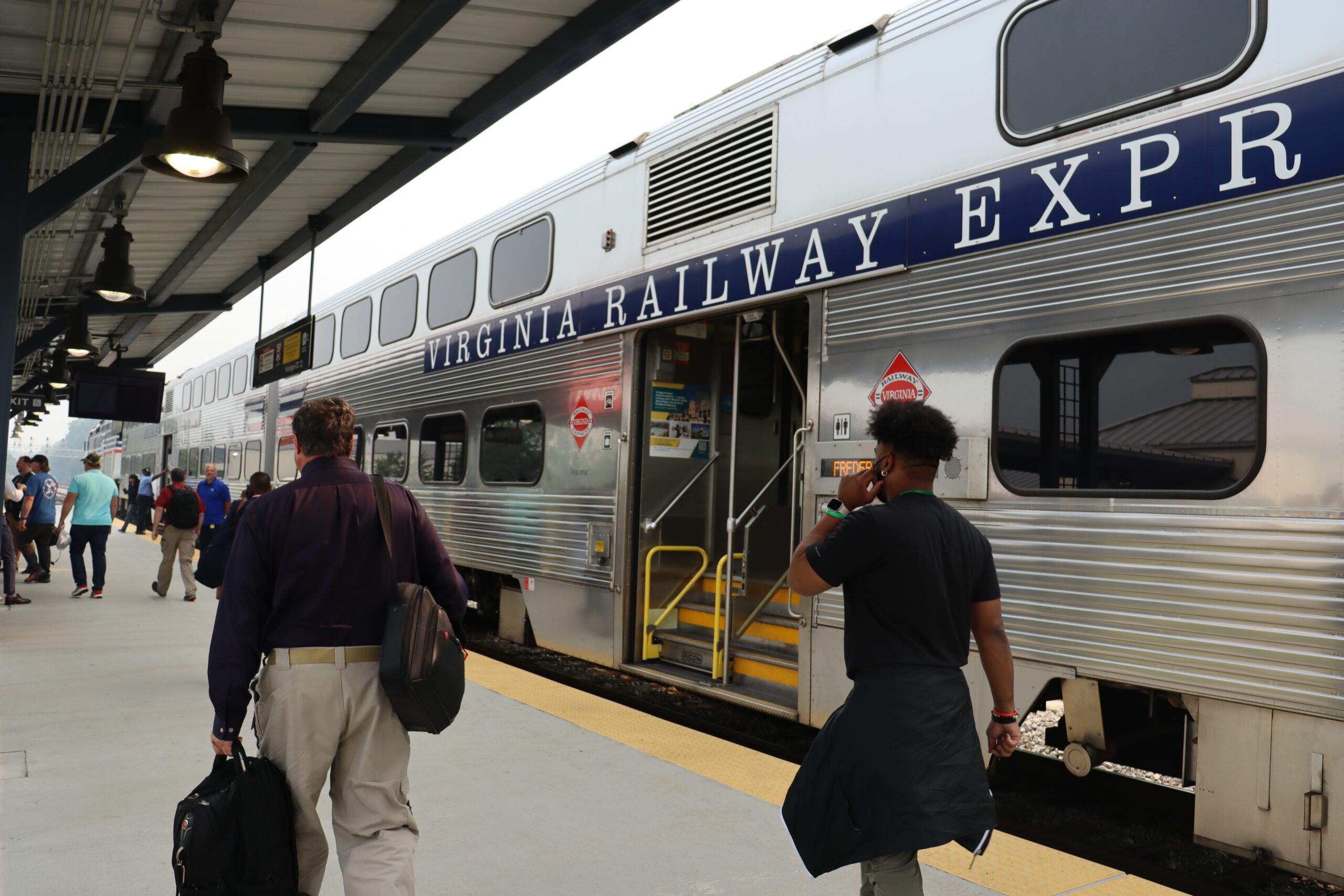
VRE
A commuter rail service that connects outlying small cities of Northern Virginia to Washington Union Station in Washington, D.C.
Best for
Northern Virginia Commuters
Typical trips
Work

WMATA/Metro/Bus
Metro is the Washington, DC region's public transportation system, offering bus and rail service across DC, Maryland, and Virginia.
Best for
Commuters and visitors to our nation’s capital.
Typical trips
Work – DC Tourist Attractions – connects to Union Station and Dulles International Airport
A little preparation can make your first trip easier. Review the essentials ahead of time so you know what to expect along the way.
Plan Your Route
Use the ConnectingVA app to plan your route. Enter your starting point and destination to see routes, times, and transfers.
Locate Your Stop
Find your nearest bus stop or station. Note the stop ID, cross streets, and which side of the road to wait on.
Know Your Fare
Check whether the system takes exact cash, a reloadable card, mobile ticket, or is fare-free. Have payment ready before boarding.
Save Contact Information
Program your transit agency‘s customer service number into your phone in case you need help along the way.
Rider Tip
 Rider Tip
Give yourself an extra 10 minutes on your first trip. There’s no rush, and you’ll feel more relaxed.
Route and schedule information may be available through your transit provider’s website or app, a trip-planning app, or a printed schedule. The format will vary, but these are the key details to check before you travel.
1. Confirm Your Route
Make sure the route serves both your starting point and destination.
2. Check the Direction
Routes may travel in two directions. Look for the destination, landmark, or direction shown on the bus.
3. Find Your Stop
Confirm where you’ll board, including the stop location and which side of the street to use.
4. Check Your Departure Time
Review the scheduled departure time and, when available, check for real-time updates or service alerts.
Before you ride, make sure you know
- Your bus route number
- The direction you’re traveling
- Your boarding stop
- Your departure time
- Your destination stop
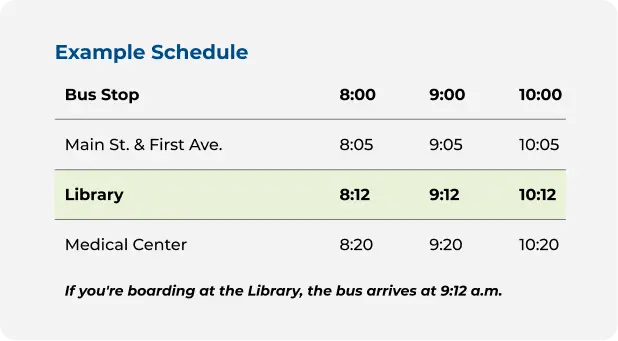
Rider Tip
Look for symbols or service notes indicating weekday-only service, weekend schedules, limited trips, accessible service, or special hours. You’ll usually find an explanation in the legend or additional details.
Getting to your stop a few minutes before your scheduled departure helps make your trip smooth and stress-free.
Find the Bus Stop Sign
Look for the official transit stop sign or shelter. Many stops also include route information and schedules.
Track Your Bus
Many Virginia transit systems offer mobile apps or real-time arrival information online.
Stand Where the Driver Can See You
Stay near the curb in a safe location. As the bus approaches, face the driver so they know you’d like to board.
Accessibility
If you need extra assistance, drivers can deploy wheelchair ramps or kneeling buses when available.
Rider Tip
Not sure it’s your bus? The route number and destination are displayed above the windshield. You can also ask the driver before you board.
These simple steps will help you feel comfortable and ready to ride.
1. Let Passengers Exit
Allow passengers to leave before boarding.
2. All Aboard
Step aboard, tap or pay your fare, then move toward an open seat. Priority seats up front are for seniors and riders with disabilities.
3. Bike & Bus
If you’re bringing your bike, load it before boarding and let the driver know it’s yours.
4. Enjoy the Ride
If standing, use handrails. If not, sit back, relax and watch for your stop.
Good Transit Etiquette
- Wear headphones
- Keep aisles clear
- Offer priority seating when appropriate
- Keep conversations respectful
- Have your fare ready before boarding
Sit back, relax, and let us take you there! Whether it's a short trip across town or part of your daily routine, we're here to help you travel safely and comfortably.
Know Where You Are
Listen for stop announcements or check digital signs. Many systems also show stops on mobile apps.
Stay Connected
Many buses and trains offer free Wi-Fi so you can stay connected on the go.
Priority Seating
Please offer these seats to seniors, riders with disabilities, and people with mobility needs.
Be Considerate
Keep noise to a minimum and allow others to enjoy a peaceful ride.
Keep It Safe
Keep bags and belongings with you and report any concerns to the driver.
Your Safety Matters
Drivers are trained professionals. If you need assistance, don’t hesitate to ask.
Rider Tip
Not sure where to get off? Just ask the driver! They’re happy to help you know when your stop is coming up.
Sometimes getting to your destination requires riding more than one bus. This is called a transfer. It may seem confusing at first, but your trip planner can tell you when and where.
1. Plan Your Trip
Check your route before you leave to see if you’ll need to change buses. Your transit website, app, or customer service can help.
2. Ride Your First Bus
Board and enjoy the ride. If you’re unsure where to transfer, let the driver know when you board.
3. Get Off at the Transfer Stop
Designated transfer locations are often transit centers or major intersections where routes connect.
4. Find Your Next Bus
Look for signs showing the route number and destination, and confirm it’s headed the correct direction.
5. Check the Schedule
Your next bus may already be waiting or you may have a short wait. Arrive a few minutes early to make your connection.
6. Board Your Next Bus
Confirm the route, show your transfer pass or pay your fare, find a seat, and enjoy the rest of your trip.
Rider Tip
If you miss your transfer, don’t worry. Another bus is usually on the way. Check the schedule or open your trip planner for the next arrival.
A smooth ending makes a great trip. Follow these steps to exit safely — and thank you for riding!
1. Signal Your Stop
Pull the stop request cord or tap the signal button before your stop.
2. Prepare to Exit
Gather your belongings and move toward the door as your stop approaches.
3. Exit Safely
Use handrails and watch your step. Look both ways before crossing.
4. Extra Assistance
We’re committed to accessibility for everyone. If you use a wheelchair or just need extra time, just let the driver know when you board.
Where Will Transit Take You Next?
From work and school to shopping, medical appointments, parks, and community events — transit connects you to the places that matter.
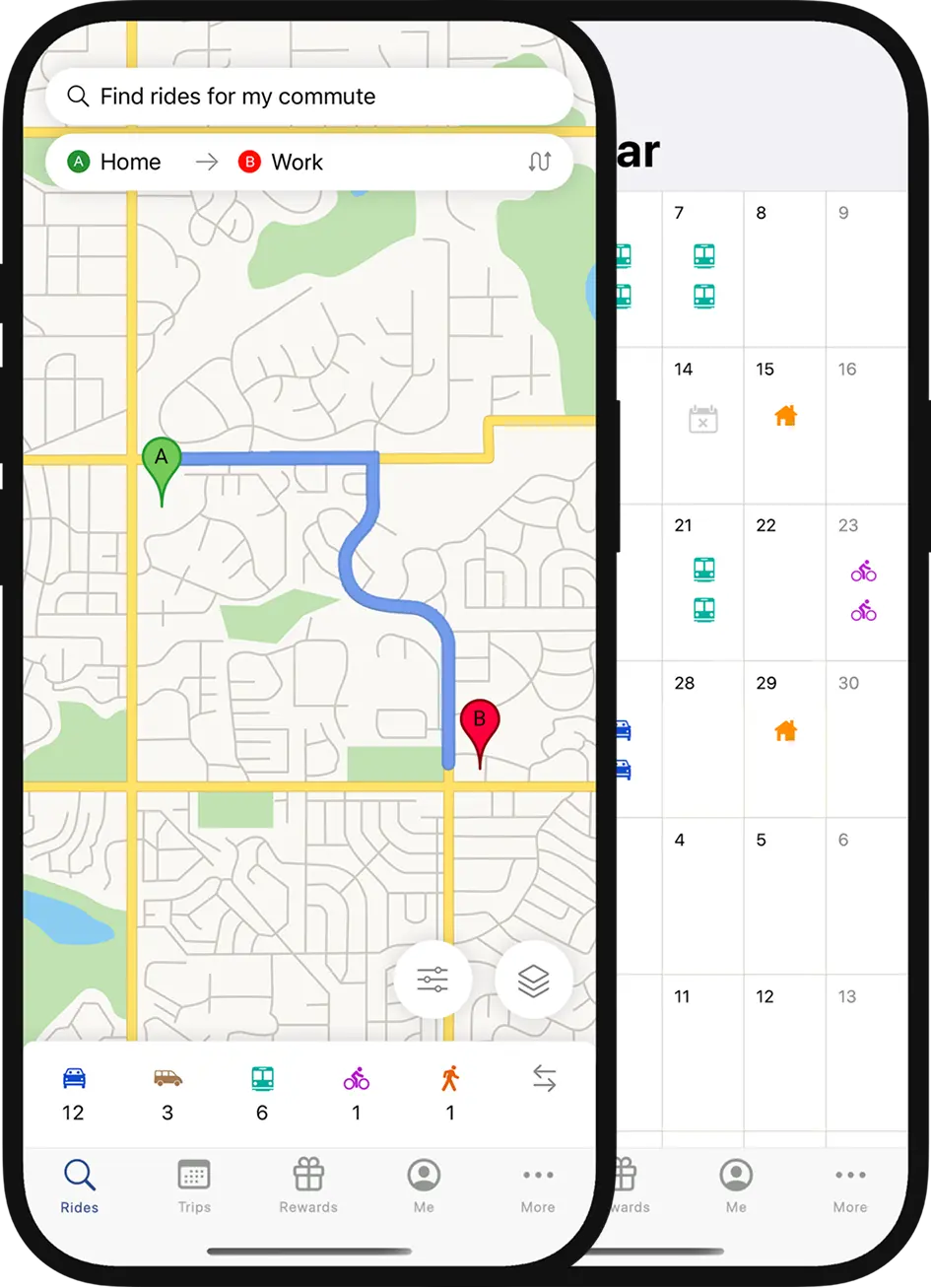
Download the ConnectingVA App
-
Find Rides
Take transit, carpool, vanpool, or bike to your destination. Discover your best commute option across Virginia.
-
Record Your Trips
Record your trips and track the money you save, the miles you didn't have to drive, and more.
-
Earn Rewards
Win gift cards and other special rewards. It's free and easy to do, so join today.
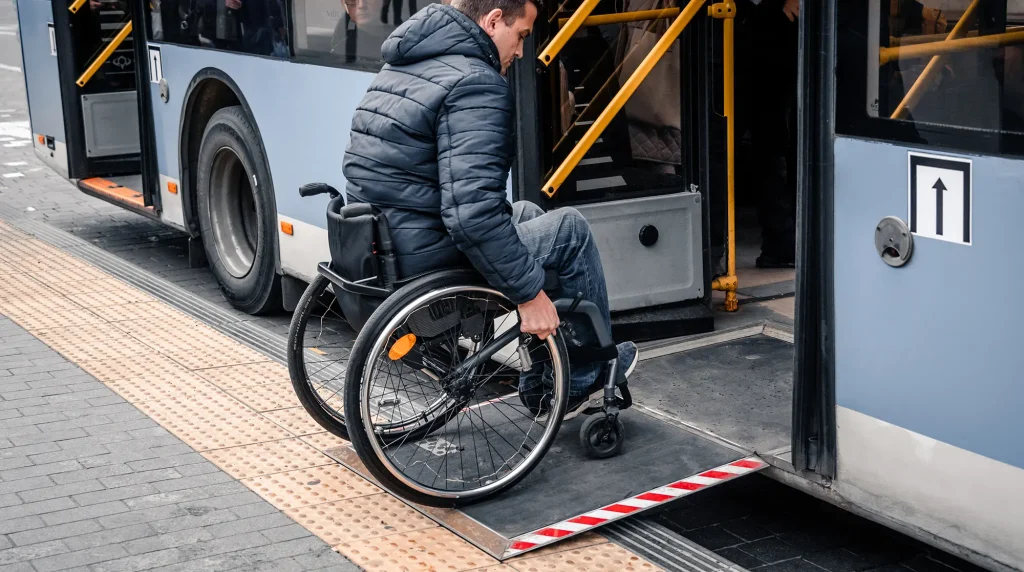

Wheelchair Accessible
Ramps or lifts and priority securement spaces on every fixed-route bus and train across Virginia.

Audio & Visual Announcements
Onboard announcements and digital signs help you know where you are and when your stop is coming up.

Priority Seating
Designated seats near the front for seniors, riders with disabilities, and people with mobility needs.

Communication Support
TTY services, translated materials, and large-print schedules available on request from your local agency.

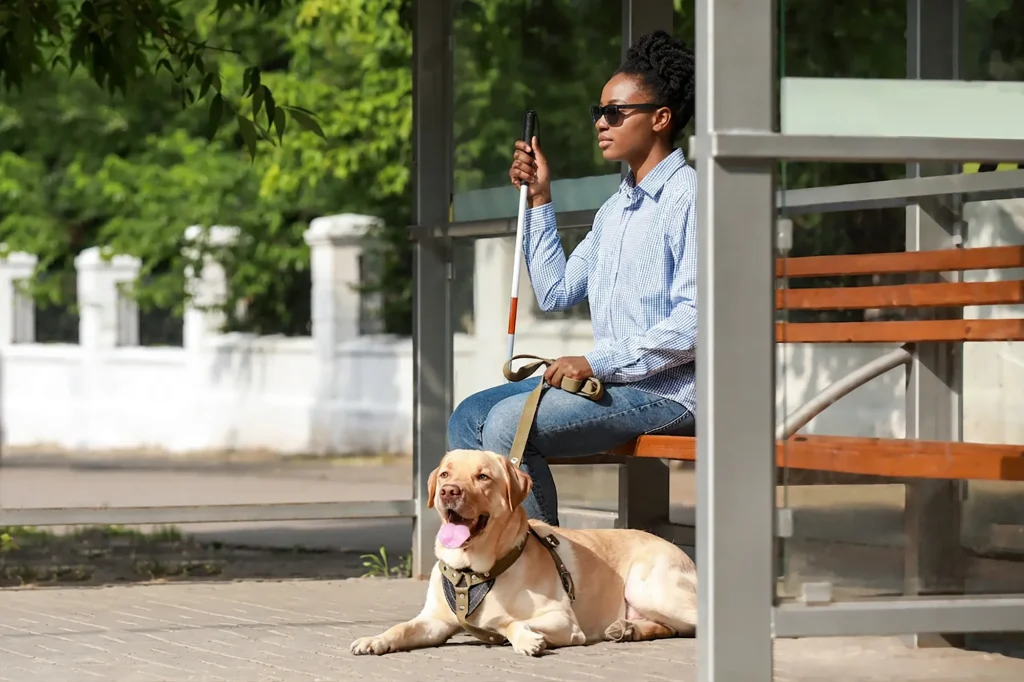
Service Animals Welcome
Service animals are always welcome on Virginia transit vehicles. There's no paperwork or extra fare required.

Paratransit & Travel Training
Curb-to-curb ADA paratransit for eligible riders, plus free one-on-one travel training to build confidence.

Plan Practice Rides Together
Start with a familiar route on a low-pressure day. Ride together, talk through each step, and celebrate the small wins.

Help Them Learn the System
Practice reading the schedule, using the app, paying a fare, and requesting a stop. Repetition builds real confidence.

Know When Paratransit May Fit
If a disability or health condition makes fixed-route transit difficult, ADA paratransit can provide door-to-door service.

Encourage Independence
Stay connected by sharing departure times and routes, but give them room to grow. Independence is the goal.
Caregiver Quick-start Checklist
- Pick a simple first route to a familiar destination
- Check the schedule and choose a low-stress time of day
- Pack fare, ID, water, and any comfort items
- Practice the ConnectingVA app or paper schedule together
- Identify the right stop and plan where to get off
- Discuss what to do if plans change

How to Apply for ADA Paratransit
ADA Paratransit is a shared-ride service for people whose disabilities prevent them from using regular fixed-route buses for some or all trips. Eligibility is based on functional ability to use public transit, not on age or a diagnosis.
Contact Your Local Transit Agency
Request an ADA Paratransit eligibility application online, by phone, in person, or by mail. Accessible formats and language interpretation are available on request.
Complete the Application
Share your disability or health condition, how it affects your ability to ride fixed-route buses, mobility needs, and emergency contact information. Some agencies may ask a healthcare professional to verify information about your functional abilities. Some agencies also may require an evaluation step before processing the application.
Wait for Your Eligibility Decision
Under the ADA, agencies generally must make a determination within 21 days of receiving a complete application. If they do not, you may be granted temporary (presumptive) eligibility until a decision is made. Denied applications can be appealed. Your transit agency will explain the appeals process and how to request a review.
Start Scheduling Your Trips
Once approved, you will receive your eligibility status, any service conditions, how to schedule rides, fare information, and renewal requirements.
Travel Training Builds Confidence
Travel training is free, personalized instruction that helps you learn how to ride public transportation safely and confidently. A travel trainer will guide you through every step, from planning your trip to riding on your own.
Contact your local transit agency to ask about travel training. Training is often provided at no cost, and many agencies offer:
- One-on-one instruction
- Small group classes
- Customized training based on your travel needs
You will learn how to
- Plan your trip
- Find the right bus stop
- Read routes and schedules
- Pay your fare
- Board, ride, and exit safely
- Transfer between buses
You will practice traveling to places you visit regularly, like grocery stores, medical appointments, work, or community centers. Once you are comfortable, you will be ready to ride independently with support available if you need it.
Who is it for?
- Older adults
- People with disabilities
- First-time transit riders
- Individuals who no longer drive
- Family caregivers
Benefits
- Build confidence and independence
- Learn safe travel skills
- Stay connected to your community
- Save money on transportation
Transportation in Rural Virginia
Public transportation in rural Virginia varies by community. Depending on where you live, options may include fixed-route buses, on-demand transportation, paratransit and regional connections. Available services, schedules and eligibility requirements are determined by each local provider.
Before You Travel
Check with the transit provider serving your area for:
- Available routes and service areas
- Schedules and pickup locations
- Fares and payment options
- Reservation requirements
- Accessibility information
Types of Service
- Fixed-route service – buses that operate on established routes and schedules
- Demand-response service – trips scheduled in advance within a designated service area
- ADA paratransit –transportation for people whose disabilities prevent them from using fixed-route service
- Microtransit – flexible, on-demand trips booked by phone or app
- Volunteer driver programs – transportation provided through participating community organizations
- Regional connections – services connecting communities with nearby towns, cities and transportation hubs
Find Transportation Near You
Use the ConnectingVA trip planner to explore providers serving your community. Contact the provider directly or visit their website to confirm current service, fares, schedules, reservation requirements and eligibility.
Before the Trip — Getting Started
Use the ConnectingVA trip-planning tool to explore transit services in your area. Not sure it covers your area or need more detail? Your local transit agency is always happy to help you find the service that fits your trip.
Three things: where you’re starting, where you’re headed, and when you need to get there. Once you have those, a trip-planning app or your transit agency’s website can map out your route, tell you where to hop on, and let you know if you’ll need to transfer along the way.
In a lot of areas, yes! Punch in your destination, select the public transit option, and you’ll get route suggestions right away. One tip: double-check your transit agency’s website before you head out, just to make sure nothing’s changed since the app last updated.
During My Trip — Schedules and Routes
Check your transit agency’s website or app first — that’s usually your best bet for the most current info. You might also spot printed schedules on the bus itself, or at transit centers. Stuck? A quick call to the agency will sort you out.
Start by locating your starting point and destination on the route map. From there, the schedule will tell you roughly when the bus should reach your stop. Don’t see your exact stop listed? Use the time for the nearest major stop as your guide.
At the Bus Stop
Aim to arrive at least five minutes before the scheduled time. That little cushion gives you time to find the right stop and helps make sure the bus doesn’t leave without you.
Look for a sign showing the transit agency’s name, logo, or route number. And make sure you’re standing on the correct side of the street — you want to be heading the right direction!
Your trip plan will spell out the exact route number or name you need. Before you climb aboard, glance at the number and destination displayed on the front of the bus to confirm it matches. When in doubt, just ask the driver: Does this bus go to ___? Drivers are used to the question.
Paying Your Fare
It varies by agency and service type. Some transit is fare-free, while others charge per trip or offer passes for regular riders. Your best bet is to check directly with the transit agency for current pricing.
Depending on the system, you might pay with cash, a transit card, a mobile app, or a ticket you buy ahead of time. Planning to pay cash? Check first whether you’ll need exact change.
Many agencies offer reduced fares for older adults and people with disabilities. Requirements vary by agency, and you may need to apply for a special fare card ahead of time, so it’s worth reaching out to learn what’s available to you.
On the Road
A transfer just means switching from one route or service to another partway through your trip. Your trip plan should show exactly where to get off and which route to catch next — and it’s worth checking whether that transfer needs its own ticket or fare.
Pull the cord or press the stop button a bit before your stop comes up. You’ll typically see a light or sign, or hear a sound, confirming your stop request went through.
Just tell the driver your destination when you board and ask them to give you a heads-up. You can also track your location in real time using a map or navigation app on your phone as a backup.
No panic needed — check the schedule or your trip-planning app for the next departure. If the route doesn’t run very often, or you’re just not sure what to do next, give the transit agency a call.
Accessibility and Specialized Services
Most transit vehicles come equipped with accessibility features like ramps, lifts, and priority seating. Exactly what’s available can vary by vehicle and agency, so it’s a good idea to contact the transit agency ahead of your trip if you have specific questions or need assistance.
Paratransit offers rides for eligible people with disabilities who aren’t able to use regular bus or train service for some or all of their trips. You’ll need to apply and get approved before you can use it, and rides typically need to be booked in advance.
Think of it as a more flexible option; instead of following a fixed bus route, you schedule a ride within a designated service area. Depending on the provider, that might mean pickup at your home, a nearby meeting point, or another approved location.
That depends on the provider. Some offer same-day service, while others need at least a day’s notice. Popular time slots can fill up fast, so it’s smart to book as early as the provider allows.
Sometimes! Some transit providers travel across county or city lines, and others connect with neighboring transit systems to get you further. The ConnectingVA Trip Planner or your local provider can tell you which services will get you all the way to your destination.
Yes — public transit, paratransit, and on-demand services can cover trips to medical appointments. Just be sure to schedule early and build in extra time for check-in. And if you’re not sure when your appointment will wrap up, ask the provider how they handle return trips.
Things like traffic, weather, construction, or mechanical issues can sometimes throw a wrench in the schedule. Before you head out, check the transit agency’s website, app, or rider alerts, and when delays seem likely, give yourself some extra buffer time.
 Medical Appointments
 Grocery Stores
 Work
Work
 Libraries
 Parks
Parks
 Community Centers
 Farmers Markets
 Events & Festivals
 Friends & Family
 Faith Communities